Giving old pieces a fresh look does not have to mean hours of dust and hard prep. More homeowners now choose painting furniture without sanding as a quicker and cleaner way to update their space.
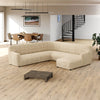
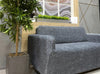
If you’re not ready to commit to a full update yet, there are also quick fixes like stretch furniture covers. They can refresh the look of a room in minutes while you plan a more permanent change.
Whether you update a thrifted find, refresh a worn dresser, or try simple DIY furniture makeover ideas, there are ways to skip extra work and still get a smooth result. The key is simple: prep the surface well and use the right products
Let’s go step by step.
Can You Paint Furniture Without Sanding?

The answer today is much more flexible than it used to be.
Years ago, people had to rough up the surface so new coats could stick. Now, modern products remove that need in many cases. So if you wonder, do I need to sand furniture before painting, the honest answer is: not always.
But skipping this step does not mean you skip prep. Cleaning furniture before you start is essential. Dust, grease, and buildup can block adhesion. Even the best product will struggle on a dirty surface.
A liquid sandpaper alternative, also called a deglosser, can also help. It softens the shine and helps the surface accept a new layer with less effort.
How to Paint Furniture Without Sanding Step by Step

If you want to learn how to do it right, keep it simple. Each step matters.
Clean and Prep the Surface
Start with a deep clean. Use a mild cleaner or degreaser. Wipe all areas, especially corners and handles. This step is one of the biggest success factors.
Apply Primer Optionally
Some products do not need primer. Chalk paint for furniture and other non-sanding furniture paint options often work on their own.
For glossy surfaces, a bonding primer adds strength. You can also use a liquid sandpaper alternative to dull the finish slightly.
Paint Application Techniques
Pick good tools. Brushes work well for edges and details. Rollers help with flat surfaces and give a smoother look.
Apply thin coats. Let each layer dry fully before the next. This helps avoid streaks and uneven texture.
Sealing and Finishing
Seal your piece to protect it. A top coat for painted furniture helps guard against stains and wear.
Choose between matte and satin furniture finishes based on your style. Matte feels soft and modern. Satin is easier to clean.
How to Paint Wood Furniture Without Sanding: Finished & Glossy Surfaces

When you paint over finished wood furniture without sanding, prep is everything. Glossy surfaces resist moisture, so they also resist new coatings. That’s why cleaning and using a primer or deglosser is so important.
Chalk paint and milk paint furniture techniques are popular here. These options stick better to smooth surfaces. You can also choose the best paint for furniture without sanding that is made for this exact purpose.
For laminate or veneer, the same idea applies. If you know how to paint laminate furniture and follow painting veneer furniture tips, you can still get a strong result.
The final look can feel clean and professional, with no dust from heavy prep work.
Painting a Dresser Without Sanding: Easy DIY Method

A dresser is a great place to start. Painting it without sanding is simple and beginner-friendly.
First, remove drawers and hardware. Clean every part well, especially around handles where buildup is common.
If you learn how to paint a dresser without sanding, this step will make the biggest difference.
Next, apply your color in thin layers. If you want to paint furniture white, expect to use more coats for full coverage.
Let each layer dry before you move on. Do not rush. This helps you avoid marks and uneven spots. Finish with a seal to protect the surface from daily use.
Spray Painting Furniture Without Sanding: Pros and Cons

You may ask if you can spray paint furniture without sanding. Yes, you can, but it comes with trade-offs.
Pros:
- Smooth finish with fewer brush marks
- Fast application
- Great for detailed shapes
Cons:
- Needs good airflow
- Can get messy
- Prep is still required
Spray painting furniture without sanding works best for quick updates. For items that see heavy use, a brush or roller with a strong top coat may last longer.
Common Mistakes When Painting Furniture Without Sanding

Even though painting without sanding is easier, mistakes can still happen. The biggest one is poor cleaning. Dirt and grease will block adhesion. Another issue is thick layers, which can lead to drips and uneven drying.
Wrong product choice is another problem. Not all paints are made for no-prep use. That’s why it’s important to choose the best paint for furniture without sanding.
Skipping the seal is also risky. The piece may look good at first, but wear out faster. Avoid these mistakes, and your results will last much longer.
Refinishing Furniture Without Sanding vs. the Traditional Method

The main difference is time and effort. Traditional prep gives a very strong base, but it takes more work and creates dust. It’s not always practical for simple updates.
If you repaint furniture without sanding, you save time and keep the process simple. Modern products make this option more reliable than before. For everyday pieces, this method works well. For antique or high-use items, a mix of light prep and sealing may be the better choice.
FAQ
What is the best way to paint furniture without sanding?
Clean well, choose the right product, apply thin coats, and seal at the end. Prep still matters, even if you skip sanding.
How to avoid brush marks on furniture?
Use a quality brush or foam roller. Apply light coats and do not overwork the surface.
Can I use this method on laminate furniture?
Yes. If you follow proper prep and use the right product, laminate can hold new paint well.
Do I always need a top coat?
In most cases, yes. A top coat protects against daily wear, spills, and scratches.