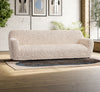
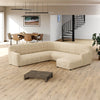
The question most people ask before buying a cover for a reclining chair is a simple one: will it stop the chair from reclining? A well-made one won’t, as long as it matches how your chair works. A manual model with a side lever needs an opening for that lever. A power recliner needs clear access to its buttons and cord. A glider or rocker moves back and forth, so the fabric has to stay clear of the base. Below, we walk through how recliner covers are built, what each chair type needs, how to handle oversized chairs, what to know about reclining couch covers for longer pieces, and how to measure before you order.
How Recliner Covers Differ From Regular Chair Covers

A regular chair cover is a single sleeve designed for a shape that never changes. A recliner changes shape every time someone sits back: the backrest tilts, the seat slides forward, and the footrest lifts. A one-piece version would stretch tight, bunch up, or pull loose within a week.
That’s why recliner chair covers are built in separate sections. Most include one piece for the backrest, one for the seat, and a footrest cover, and a 4-piece recliner cover adds a separate wrap for the arms. Because each section moves with its part of the chair, the fabric never has to stretch across the whole recliner mechanism at once.
Three details matter most. The first is openings: a good design leaves a slit or pocket where the lever or handle sits. The second is stretch. A stretch recliner cover with a spandex blend gives the footrest enough room to rise without dragging the seat piece out of place. The third is grip. Elastic straps and a non-slip backing keep everything where it belongs, so you aren’t straightening the fabric every time you stand up. Recliner slipcovers that combine all three tend to look smoother and last longer.
Recliner Covers for Manual Recliners

Manual models work through a recliner lever, a handle, or a pull tab on the side of the chair, and some simply recline when you push back with your body weight. Whatever you choose has to leave that control within reach. Otherwise you end up pulling fabric aside every time you want to lean back.
Look for a design with a slit or a recliner slipcover with a side pocket, where the handle can pass through without catching. A pocket works best for a long lever, while a simple slit suits a small pull tab. If your chair uses a push-back mechanism with no visible handle, you don’t need an opening at all, and a standard stretch design will do.
Most fit problems start around the lever. A cover that is too loose slides forward and buries the handle, while a tight one resists the first time you lean back. Aim for a snug fit across the seat with a little slack along the sides. Straps tucked under the cushion or looped around the frame hold the opening in place. If the chair gets daily use from kids or pets, a durable, waterproof recliner cover with a grippy backing is worth the small step up in price.
Recliner Covers for Power Recliners

A power recliner adds a few things a manual chair doesn’t have: buttons or a control panel on the side, a hand control, and a power cable running from the base to the wall. Anything that blocks these is more than an annoyance, because it can keep the chair from working properly.
Before you buy, check where the controls sit. Many have switches on the outer side of the seat, so the cover needs a cutout or an open side panel there. If your chair uses a corded hand control, make sure the fabric leaves a gap for the cord, and keep the cable free instead of tucking it under the fabric. Leave a little space around the base as well, so the motor and moving parts can work without friction.
Safety matters more here than looks. Never wrap fabric tightly around the motor housing or the power cord, and keep every vent clear. If your chair has a heat or massage function, choose a thin, breathable option and check the manufacturer’s manual first, since trapped heat can damage both the chair and the fabric. When in doubt, unplug the chair while you put the cover on, then run the full recline once before you settle in.
Recliner Covers for Glider and Rocker Recliners

Glider and rocker chairs add motion in a second direction. The chair reclines, and it also moves forward and back on its base. A glider recliner slides along a track, while a rocker tilts on curved runners, and both can catch loose fabric near the bottom.
The easiest fix is length. Choose a design with a shorter skirt that ends above the base, so nothing hangs low enough to get pinched. A glider cover cut for this style usually has a fitted hem or an elastic edge instead of a long, flared skirt. If the cover has straps, tuck them under the seat cushion rather than around the base, where they can tangle in the mechanism.
Separate cushion covers help too. Glider chairs often have loose seat and back cushions that take the most wear, and being able to wash those without removing the whole set is a real advantage. After installing, lean back, rock a few times, and watch for spots where the fabric pulls. Adjust anything that tugs before you rely on it.
Sizes and Special Cases: Oversized, Lazy Boy and Recliner Sofas

Standard sizes fit average chairs, but several types fall outside that range. Oversized chairs and many wall-hugger recliners are deeper and wider than typical models, so an oversized recliner cover is the safer choice when your chair feels big next to a standard armchair.
Brand names like La-Z-Boy, Ashley, and Catnapper span dozens of different shapes, and even two chairs from the same brand can differ in depth, width, and arm style. Lazy Boy recliner covers can suit many of those chairs, but the name on the tag doesn’t guarantee a fit, so go by your measurements instead.
Longer pieces need their own style. Recliner sofa covers are made for three seats, with each reclining section handled separately, so the fabric follows every moving part. For full-length pieces, browse the collection of reclining sofa covers.
Two-seaters work the same way, just on a smaller scale. A reclining loveseat cover wraps the seat, backrest, and footrest of each side, so both sections can move on their own.
Whatever the size, measure the chair upright: the widest point across the arms, the height of the back, and the depth of the seat.
FAQ
Will a cover stop my recliner from reclining?
Not if it fits properly. A design made for reclining chairs uses stretch fabric and separate sections so the backrest and footrest can move freely. If you feel resistance, it’s usually too tight or an opening is out of line with the lever.
Do recliner covers work on power recliners?
Yes, provided it leaves the buttons, hand control, and cord accessible. Choose a design with a side cutout or an open panel, and keep fabric away from the motor and base.
Are waterproof covers safe for electric models?
Generally yes, as long as it doesn’t wrap the motor, the cord, or any vents. For chairs with heating or massage functions, look for a thin, breathable option and check your manufacturer’s manual first.
How do I measure a recliner for a cover?
With the chair upright, measure the width at the widest point across the arms, the height from the seat to the top of the back, and the depth from the front edge of the seat to the back. Compare the numbers to the size chart on the product page, and if you’re between sizes, go with the larger one.
Can one cover fit a glider or rocker?
Yes, if the skirt is short and fitted. A long hem can catch on the track or runners, so check the hem length before you order.