A 10x10 room is exactly 100 square feet. That's not a lot, but it's more workable than most people think. The difference between cramped and intentionally cozy almost always comes down to space-saving furniture scale, layout decisions, and a few smart visual tricks. Whether you're working with a compact living area or a multipurpose space, these 10x10 room design ideas will help you get the most out of it.
How to Make a 10x10 Room Feel Bigger

Before moving a single piece of furniture, it helps to understand what actually creates the illusion of space. It's mostly light, scale, and visual flow.
Keep Furniture Off the Floor. Wall-mounted shelves, floating nightstands, and raised furniture legs create openness beneath them. The more floor you can see, the more spacious the room reads.
Use Vertical Space. Height is your friend. Tall bookshelves, floor-to-ceiling curtains hung close to the ceiling, and stacked storage draw the eye upward and make the room feel taller.
Mirrors Do Real Work. A large mirror opposite a window reflects both light and depth, effectively doubling the perceived size of the space.
Edit Ruthlessly. Small room interior design offers plenty of smart ideas to make limited spaces feel comfortable and functional. And one of the most underrated is visual clutter. Take off too many objects, mismatched frames, and busy patterns, as they make a tight space feel tighter. A few well-chosen pieces consistently beat a lot of mediocre ones.
Layer the Lighting. A single overhead bulb flattens a room. Add a floor lamp or wall sconce to make the room feel warmer and cozier. Statement lighting fixtures can double as modern small space decor, which matters when you're short on surface space.
Best Furniture Ideas for a 10x10 Room

Scale is everything. Furniture that works in a larger space can overwhelm a 10x10, and pieces that are too small and fussy make a room feel scattered.
Go multifunctional. A bed with built-in storage can save space and eliminate the need for a bulky dresser. An ottoman with storage replaces a coffee table and adds seating. Multifunctional furniture ideas aren't a compromise — they're just smart small space design.
Soft-shaped furniture reads as lighter. Rounded edges and curved silhouettes feel less imposing in tight quarters than boxy, sharp-cornered pieces — same footprint, noticeably different effect.
Natural wood interiors add warmth without visual weight. Light oak, pine, or rattan keeps a room feeling open. Dark, chunky wood dominates — fine in a large space, suffocating in a small one.
Think about clearance. Try to leave at least 24–30 inches of space between furniture pieces so the room feels easy to move through. Map out the floor plan before buying anything — free space planning tools online make this quick and save real frustration.
10x10 Living Room Ideas

A 10x10 living room requires deliberate choices, not compromises.
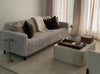
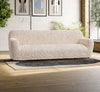
Start with the sofa. A loveseat or compact two-seater is typically the right scale. Anything bigger can quickly make the space feel cramped and harder to arrange. Loveseat couch covers are a practical way to update an existing piece — shifting the color or texture without replacing it, which matters when budget and space are both tight.
Try a floating layout. Pulling furniture slightly away from the walls, rather than pushing everything against them, creates a more defined seating area and actually makes the room feel larger.
Keep the coffee table low and light. A glass-top or open-base table adds function without visual bulk. A tray and a few books on an ottoman can do the same job.
For a nature-inspired take on compact living room ideas, an organic aesthetic like earthy greens, natural wood, and organic textures works particularly well in small spaces because it relies on material quality rather than quantity of objects.
10x10 Bedroom Design Ideas

Arranging this kind of space, start with the bed — it's the largest piece and determines everything else.
A queen fits, but it's tight. At 60x80 inches, a queen leaves roughly two feet on each side, which is workable but leaves little room for anything else. A full-size bed (54x75 inches) gives noticeably more flexibility. A twin is ideal for a kids' area or anyone who wants really small room storage solutions alongside the bed.
Place the bed against the longest uninterrupted wall to keep the center of the room open. Corner placement feels cozy but makes bed-making awkward and limits access.
Build up, not out. Wall-mounted shelves replace bulky bookcases. Sliding wardrobe doors save the clearance swing doors need.
For overall feel, a cozy aesthetic approach translates well into small bedroom design: layered textiles, warm lighting, and a limited but intentional palette.
Colors & Decor Tips for Small Rooms

If you’re wondering how to decorate a small room, these few apartment design tips will help you make the most of your space while keeping it cozy, functional, and stylish.
Light colors expand small rooms, dark colors contract. Soft whites, warm creams, pale sage, and light warm grays make walls feel further away. Modern neutral palettes with warm undertones are especially effective — airy enough to open up the space, yet considered enough to look intentional.
One dark accent wall can work. A single deep-toned wall, like warm terracotta, muted forest green, adds depth, as long as the other three walls stay light. Earth tone palettes work well in small spaces because they stay within a narrow tonal range. Too many competing colors visually chop up a space; a cohesive scheme does the opposite.
Texture over pattern. In a small room, large or busy patterns quickly overwhelm. Texture — a boucle cushion, a woven rug, linen curtains — adds interest without the noise. This is one of the key ideas behind warm minimalist interiors: keeping patterns simple while focusing on rich textures and quality materials.
If you're thinking about small room layout from an energy and flow perspective, a feng shui studio apartment guide offers practical principles that apply directly to a limited space.
Conclusion

A 10x10 room doesn't have to feel like a compromise. With the right furniture scale, a coherent color palette, and some thoughtful storage, 100 square feet can be comfortable and genuinely good-looking. The rooms that work best at this size aren't the ones trying to fit everything in — they're the ones that commit to doing a few things well.
FAQ
How do you arrange furniture in a 10x10 room?
Start with the largest piece against the main wall, then work around it, keeping 24–30 inches of clearance for walking. Pull furniture slightly away from the walls to define the space rather than pushing everything to the perimeter.
What colors make a small room look bigger?
Light, warm neutrals — soft whites, warm creams, pale sage. Keeping walls, flooring, and furniture within a similar tonal range reduces visual fragmentation and makes the space read as larger.
Can a sectional sofa fit in a 10x10 room?
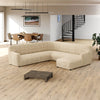
A standard sectional is too large and will dominate the space. A compact loveseat is the better call, and if you already have a sectional, apartment-scale versions do exist as an alternative.
What is the best layout for a small bedroom?
Bed against the longest wall, wall-mounted storage to keep the floor clear, sliding wardrobe doors over swing ones. Keeping the center of the room open makes even a 10x10 bedroom layout feel functional and easy to live in.