Pet hair on the sofa is just part of life when you have a dog or cat. The problem is when it builds up faster than you can deal with it, or when guests are coming over in 20 minutes, and the couch looks like it belongs to a Siberian husky.
This guide covers exactly how to remove pet hair from couch surfaces — by fabric type, with the right tools, and with a few habits that'll keep it from taking over in the first place.
Why Pet Hair Sticks to Couches

Two main reasons: static electricity and fabric texture.
When your pet moves around on the couch, friction creates a static charge that pulls hair fibers into the fabric. This gets worse in winter, when indoor air is dry. The other factor is the fabric itself — plush, woven materials like velvet, microfiber, and chenille have tiny loops that trap hair like velcro. Smooth, tightly woven fabrics give it far less to grip onto.
Coat type matters too. Double-coated breeds (huskies, labs, German shepherds) shed heavily in seasonal waves. Short, stiff hairs from dogs like beagles or pugs actually embed more deeply into fabric than longer fur, making them harder to remove. Cat hair is finer and tends to mat into the surface over time.
Best Ways to Remove Pet Hair From a Couch

The best way to remove pet hair usually involves combining two methods — one to loosen it, one to lift it. Here's what actually works:
1. Lint Roller
Fast, cheap, always good to have around. A lint roller for pet hair handles light daily maintenance well, but chews through sheets quickly if there's a lot of fur. Not great at reaching deep into textured fabric.
2. Rubber Gloves
A rubber glove is one of the most underrated pet hair tricks. Dampen a pair of rubber dishwashing gloves and run your hands firmly across the couch — the rubber grabs and clumps the hair so you can peel it off in sections. Works especially well on velvet and microfiber. A damp sponge or squeegee does the same job.
3. Vacuum With an Upholstery Attachment
The most effective tool for heavy shedding. Use the flat upholstery head and work in overlapping strokes. For embedded hair, switch to the brush attachment — it loosens the fibers before suction pulls them up. A vacuum for pet hair removal with stronger suction and purpose-built attachments makes a real difference if you're cleaning up regularly.
4. Fabric Softener Spray
Mix one part fabric softener with three parts water, lightly mist the couch, wait a minute, then vacuum or wipe. The softener cuts static and makes hair release from the fabric more easily. Smells decent too.
5. Pet Hair Remover Brush or Roller
Reusable pet-specific rollers and fabric scrapers outperform regular lint rollers on upholstery. A good pet hair remover for a couch uses a rubberized or velvety surface that collects hair with each stroke. Most are washable, which makes them more cost-effective over time.
6. Tape
In a pinch, packing tape or duct tape sticky-side-out around your hand. Press, lift, repeat. Not elegant, but it works when nothing else is nearby.
These easy furniture cleaning tips cover about 90% of cases and keep it simple enough to actually stick to.
How to Remove Pet Hair From Different Sofa Fabrics

Cleaning couch fabric isn't one-size-fits-all. Different materials need different approaches:
| Empty Space | ||
|---|---|---|
|
Fabric Type |
Best Removal Method |
What to Avoid |
|
Microfiber |
Rubber gloves + vacuum |
Wet cloth (leaves water marks) |
|
Velvet |
Lint roller + soft brush |
Stiff brushes (crush the pile) |
|
Linen/Cotton |
Vacuum + tape |
Over-wetting |
|
Leather/Faux Leather |
Damp cloth wipe |
Abrasive tools |
|
Canvas/Polyester |
Vacuum + lint roller |
Nothing major |
|
Chenille |
Rubber gloves + gentle vacuum |
High-powered vacuum without attachment |
A note on microfiber couch cleaning: it's one of the most common sofa fabrics and one of the fussiest. The rubber glove method works really well here. Avoid wet cloths — water leaves visible rings on microfiber.
If you're questioning how to remove cat hair from velvet or chenille sofas, the answer is a soft-bristle brush in one direction first, and vacuuming second. Cat hair mats easily, so rushing it can push it deeper rather than lifting it.
If the question is how to get dog hair off couch cushions, take them off and vacuum every side, including the bottom and the frame underneath. That's where a lot of the fur collects without being obvious.
How to Prevent Pet Hair From Building Up on Furniture

Stopping pet hair buildup comes down to a few consistent habits. None of them is complicated:
- Brush your pet regularly. The fur you catch with a brush never reaches the couch. For heavy shedders, daily brushing during shed season is worth the five minutes. For lighter coats, two or three times a week is usually enough.
- Vacuum the couch weekly. A quick once-over prevents hair from embedding deeply. It's much faster to vacuum a lightly furred couch than to deal with one that's been left for a month.
- Put a washable blanket over their spot. Your pet has a favorite corner — cover it with something you can throw in the wash every few days. This single change takes the most wear off the actual upholstery.
- Use a humidifier in winter. Dry air increases static, which means more fur sticks to everything. A humidifier helps reduce that, especially in homes with forced-air heating.
These are the core pet shedding solutions — simple and effective. If you're dealing with other furniture issues beyond shedding, like when your dog keeps peeing on a couch, it's worth tackling those separately.
Are Sofa Covers Good for Pet Owners?

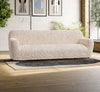
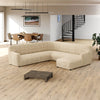
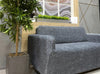
Yes, and more practical than most people expect. The logic is straightforward: instead of cleaning hair out of your actual upholstery week after week, you clean a cover. Washable couch covers go in the laundry; your sofa doesn't.
Pet-friendly sofa covers also protect against scratching, drool, and general wear. If your dog digs at the cushions before lying down, the cover absorbs that instead of the fabric underneath.
The main thing to look for is fit. A cover that bunches up or slides off every time the dog jumps on is more frustrating than helpful. Look for non-slip backing and designs made for cushioned sofas specifically. Furniture covers for pets range from full sofa covers to individual seat protectors, depending on how much of the couch actually needs protection.
For dogs in particular, it's worth reading about specific solutions. The best couch covers for dogs tend to have more durable surfaces than general covers, and they're designed for the way dogs actually use furniture. They protect from fur, claws, muddy paws, and general wear, stay in place, and can be washed easily whenever you need to refresh them. Simple care and a stylish look are a huge bonus to everyday furniture protection from pets.
Conclusion

There's no single trick that solves the pet hair problem forever — it's an ongoing thing. But with the right tools (a decent vacuum, rubber gloves, a washable cover) and a bit of routine, it stays manageable. The methods here cover how to clean pet hair from couch surfaces of all types, so pick what fits your setup and go from there.
FAQ
What removes pet hair from a couch the fastest?
Damp rubber gloves to clump the hair, followed by a vacuum or lint roller to pick it up. For large amounts, a pet hair vacuum with an upholstery attachment is the most efficient option. But if you want to skip the whole process, a washable sofa cover does the job: toss it in the machine, and you're done.
Does fabric softener help remove pet fur from furniture?
Yes — diluted in water and misted onto the couch, it reduces static so hair releases from the fabric more easily. Vacuum or wipe after a minute.
How often should couches be cleaned if you have pets?
A quick vacuum once or twice a week for maintenance; a thorough clean (cushions off, crevices included) once a month.
Which couch materials attract the least pet hair?
Leather, faux leather, and tightly woven polyester or canvas. The best couch fabric for pets is smooth, dense, and ideally darker in color — it resists hair and hides what does land on it.