January has a different rhythm. Mornings feel slower. Evenings stretch longer. The urge to tidy, simplify, and put things back where they belong shows up almost instinctively. It’s not about perfection. It’s about feeling steady again.
In a world that feels loud, fast, and endlessly demanding, the home is quietly changing roles. It’s no longer a backdrop for showing off taste or keeping up with trends. It’s becoming a refuge. A place that supports you instead of asking anything from you.
That shift is exactly why earthy interiors are rising — not as a trend, but as a response.
The Return to Ground

Earthy homes don’t try to impress. They don’t shout for attention or rely on sharp contrasts. Instead, they create a sense of weight and calm, like standing barefoot on solid ground.
This movement isn’t driven by color forecasts or social media cycles. It’s coming from fatigue:
- fatigue from constant screens
- fatigue from sterile minimalism
-
fatigue from homes that look beautiful but feel untouchable
Earthy interiors are about grounding — physically and emotionally. They offer stability when everything else feels uncertain.
And while the palette matters, the feeling matters more.
Brown: The Color of Safety

Brown has been quietly misunderstood for years. Too heavy. Too traditional. Too safe.
That’s exactly the point.
In 2026, brown steps back into the home as a symbol of security and sustainability. It reminds us of wood, soil, leather, and things made to last. Brown doesn’t rush. It doesn’t demand updates every season. It settles in.
A well-worn brown sofa, a leather ottoman, or even a sturdy wooden coffee table helps anchor the room and makes it feel dependable from the moment you walk in.
Used on sofas, armchairs, or layered through textiles, brown creates a sense of permanence. It says: you can relax here. This is a color that supports rest, conversation, and real life — including pets, kids, and coffee spills.
Think of a deep brown leather sofa, a chocolate-toned slipcover over a stained couch, or textured pillows that make a room feel instantly anchored.
Brown isn’t about nostalgia. It’s about trust.
Green: A Quiet Connection to Nature

Green has always been linked to nature, but in 2026, it’s less about freshness and more about restoration.
The greens showing up in homes now are softer, deeper, and calmer. Think moss, olive, sage. These shades don’t energize — they soothe. They reconnect us to something slower and more forgiving than our schedules.
In living rooms, green acts like a pause button. It balances the space without dominating it. It works beautifully in layered interiors, especially when paired with natural fabrics and warm neutrals.
Green shows up naturally in textured throws, a favorite armchair, linen curtains, or even a plant placed where the light hits just right.
Green doesn’t try to escape reality. It helps you breathe inside it.
Ivory: Light Without the Cold

For years, white interiors promised clarity and calm, but often delivered something stark and impersonal. Ivory changes that approach.
Ivory brings light without sharpness. It reflects warmth instead of glare. It creates space without emptiness.
In modern earthy homes, ivory isn’t the star — it’s the silence between notes. It allows other colors to exist without competition. On soft furnishings, slipcovers, and layered textiles, ivory feels lived-in rather than precious.
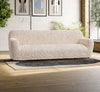
An ivory sofa cover, a soft area rug, or even gently textured bedding can brighten a space without making it feel untouchable.
Warm Gray: The Balance Color

Gray isn’t leaving our homes, but it is changing.
Cool grays, once associated with modern minimalism, are giving way to warmer tones that feel more human. These grays carry hints of beige or taupe, making them adaptable and grounding.
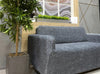
Warm gray works as a backdrop for life. It doesn’t flatten a room or steal attention. Instead, it allows personality to show through. You’ll see it in upholstery, walls, or a dining chair that quietly ties everything together without asking to be noticed. This version of gray doesn’t ask you to be careful. It meets you where you are.
What Makes an Earthy Home Feel Different

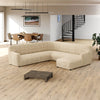
Earthy homes of 2026 aren’t just about the color palette — they’re about the intention. These spaces are designed to be used. To hold family routines, quiet mornings, shared meals, and the reality of everyday living. Furniture is meant to last. Textiles are meant to be touched. Protection becomes part of the design, not an afterthought.
This is where practical comfort meets emotional comfort. Where washable, protective layers allow you to relax instead of worry. Where the home feels like it’s working with you.
Earthy interiors don’t aim for flawless. They aim for safety.
A Home That Holds Space

As 2026 approaches, the idea of home is shifting again. Away from performance. Away from perfection. Toward presence.
Earthy tones don’t promise transformation. They offer steadiness. They hold space when the world feels heavy. They remind us that comfort doesn’t have to be loud to be powerful.
Ground your home. Ground yourself. Sometimes, the quietest reset is the one that lasts.