The rise of dopamine decor, and why homes are getting lighter

There was a time when homes were designed to impress. Bold feature walls. Statement furniture. Colors chosen for impact, not feeling. 2026 feels different.
Homes are becoming quieter, gentler, and more personal. Not boring, just intentional. These kinds of spaces that don’t shout for attention but make you exhale the moment you walk in. And at the center of this shift is a softer palette. Muted, calm, grown-up colors that deliver something we’ve all been craving: small, steady doses of joy.
Let’s look at dopamine decor in its softer, more grown-up form.
What Dopamine Decor Really Means in 2026

Dopamine decor started as a colorful, playful idea: bright hues, bold patterns, interiors designed to spark happiness. But like most trends, it evolved.
In 2026, dopamine decor isn’t about impressing guests or creating Instagram moments. It’s about supporting the people who live there. Your home becomes a place that gently lifts your mood, steadies your nervous system, and gives you emotional breathing room.
Soft colors play a huge role here. They work quietly in the background, offering what you might call microdoses of joy. Nothing overwhelming. Just subtle emotional cues that say: you’re safe, you can relax, you don’t have to perform here.
That’s why lighter, softer palettes are replacing high-contrast interiors. They feel lived-in. They feel kind.
Why Pastels Are No Longer Childish
 For years, pastels got a bad reputation. Too sweet. Too juvenile. Too nursery-coded. That version of pastels is officially over.
The new wave of pastel color in 2026 is dusty, softened, and intentionally muted. These shades are layered, complex, and calming — designed for adult spaces and real life. Dusty pink brings warmth without turning saccharine. Butter yellow adds light without visual noise. Soft blue feels calm without being cold. Ivory offers balance without sterility. These colors don’t dominate a room. They support it.
Butter Yellow: Warmth & Optimism

In 2026 interiors, butter yellow shows up as a quiet mood booster. It’s not sunshine yellow. It doesn’t shout. It glows. Think early morning light rather than midday sun. This color brings warmth into a space without overwhelming it, which makes it perfect for rooms where you start and end your day.
Where it works beautifully:
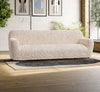
- A soft yellow slipcover on a well-loved sofa
- Light butter-yellow walls that warm up north-facing rooms
- Sheer curtains with a yellow undertone that catch daylight softly
Butter yellow pairs especially well with natural wood, linen textures, and neutral flooring. In a family home, it feels optimistic and warm.
Dusty Pink: Softness & Calm

Dusty pink has quietly become one of the most grounding colors in modern interiors. Stripped of sweetness, it reads as warm, beautiful, and emotionally safe.
This isn’t a “girly” pink. It’s closer to blush mixed with earth tones — subtle, balanced, and incredibly versatile.
Ways to bring it into your home:
- A dusty pink sofa cover in a living room with beige walls and oak furniture. It doesn’t steal attention, but it changes how the room feels. The room feels less rigid, more forgiving.
- Soft dusty pink curtains or accent walls that add warmth without tipping into sweetness, especially in rooms meant for slowing down and staying awhile.
Dusty pink works well in shared spaces because it doesn’t demand anything from you. It simply supports, which is exactly what dopamine decor aims to do.
Ivory: Light & Balance

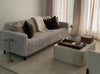
Ivory carries warmth, softness, and balance — especially important in homes filled with movement, kids, pets, and real life. It’s not stark white. It doesn’t feel clinical.
In dopamine decor, ivory acts as an emotional neutral. It reflects light, opens up space, and allows other colors to breathe.
How it shows up:
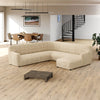
- Ivory slipcovers that calm busy rooms
- Layered textiles in similar off-white tones
-
Walls that feel bright without glare
Manuy interiors are leaning into ivory shades because they work with everything — soft pastels, wood tones, even darker accents — while keeping the space emotionally light.

Soft blue in 2026 is all about breathability. This isn’t icy or nautical. It’s closer to a washed sky tone — light, calm, and subtly refreshing. Soft blue brings mental clarity, especially in rooms where overstimulation tends to creep in.
Perfect for:
- Living rooms with lots of natural light
- Bedrooms that need a calming reset
-
Family spaces that balance energy and rest
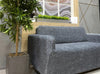
For example, a soft blue couch cover paired with ivory pillows and light wood furniture creates a room that feels open, cool, and emotionally spacious without ever feeling cold.
Soft Colors as Everyday Comfort

What makes these colors powerful isn’t their appearance alone. It’s how they function day after day.
Soft pastels don’t demand attention. They don’t exhaust your eyes. They don’t make your space feel “done” or untouchable. Instead, they adapt to mess, movement, changing seasons, and changing moods.
Comfort in 2026 isn’t precious. It’s usable. A pastel sofa cover that can handle pets, kids, spills, and everyday life becomes more than decor. It becomes emotional infrastructure.
The Takeaway: Small Joy, Every Day

The shift toward soft colors isn’t about trends. It’s about homes that care for the people inside them.
Pastels in 2026 aren’t childish or decorative for decoration’s sake. They’re intentional. Muted. Supportive. Designed to give you small, steady moments of joy that accumulate over time.
Because real comfort doesn’t come from bold statements anymore. It comes from spaces that feel gentle enough to live in.